Some links in this guide are affiliate links. If you book through them, we earn a small commission, at no extra cost to you. It never changes what we recommend. How we make money
Nobody books a ski holiday expecting to need their insurance, but skiing is one of the few holidays where a fall can mean a helicopter ride, an operation and a medical flight home. Standard travel insurance often excludes winter sports altogether, so it is worth ten minutes to make sure you are properly covered before you go.
This guide explains what ski insurance should include, where the GHIC fits in, and the small print that most often catches skiers out.
In this guide
The short version
- Make sure your policy specifically covers winter sports. Many standard policies do not.
- Check the cover for mountain rescue, helicopter evacuation and getting you home to the UK.
- The GHIC is useful in the EU and Switzerland but is not a substitute for insurance. It does not cover mountain rescue or flights home.
- Read the exclusions: off piste skiing, helmets and alcohol are the usual traps.
- Consider cover for your lift pass, ski hire and ski school in case you are injured or the slopes close.
Get a ski insurance quote
These are affiliate links: if you buy through them, we earn a small commission at no extra cost to you.
Coverwise: winter sports cover
Winter sports cover is an optional add-on to Coverwise single trip and annual multi-trip policies. It covers lost, stolen or damaged ski equipment (including hiring replacements), unexpected piste closures and a lost lift pass. Check the policy wording for off-piste skiing and any age limits before you buy.
Do you need special ski insurance?
Usually, yes. Plenty of standard single trip and annual policies exclude winter sports, or only cover them if you pay for an add on. If you already have an annual policy, through your bank account for example, check whether winter sports are included and for how many days. If not, you can often add them for an extra premium, or buy a separate winter sports policy.
The UK government’s winter sports safety advice is clear that you should check your policy covers the activities you plan to do, and know what is excluded. It also warns that medical treatment and unplanned returns to the UK can be very expensive.
What should ski insurance cover?
| Cover | Why it matters |
|---|---|
| Emergency medical treatment | Treatment abroad can be expensive, particularly in private clinics, which are common in ski resorts. |
| Mountain rescue and helicopter evacuation | Getting you off the mountain is often charged separately and is not covered by the GHIC. |
| Repatriation | Getting you back to the UK, sometimes with medical help, if you cannot travel normally. |
| Ski equipment | Covers your own or hired skis, boards and boots if they are lost, stolen or broken. |
| Ski pack | Refunds unused lift passes, ski hire and ski school if you are injured or ill. |
| Piste closure | Pays out, or covers travel to another resort, if lack of snow or bad weather closes the slopes. |
| Avalanche or landslide delay | Covers extra costs if you are stuck in or cannot reach your resort. |
| Cancellation and curtailment | Protects what you have paid if you cannot go or have to come home early. |
| Personal liability | Covers you if you injure someone else or damage their property, which can happen in a collision on the slopes. |
Where does the GHIC fit in?
The UK Global Health Insurance Card (GHIC), or a valid European Health Insurance Card (EHIC), gives you access to state healthcare in the EU and Switzerland on the same basis as a local resident. It is free and worth carrying, and some insurers reduce or waive your excess if you use it.
It has real limits for skiers though. According to the government’s guidance, the GHIC does not cover private healthcare, mountain rescue, flights back to the UK, or lost or stolen property. Many medical centres in ski resorts are private, and the GHIC will not help there. It is also not valid in Andorra, which is not part of the EU. Treat the GHIC as a useful extra, not as your insurance.
The small print that catches skiers out
Off piste skiing
Many policies only cover on piste skiing, or only cover off piste skiing if you are with a qualified guide. If you plan to leave the marked runs at all, check exactly what your policy says.
Helmets
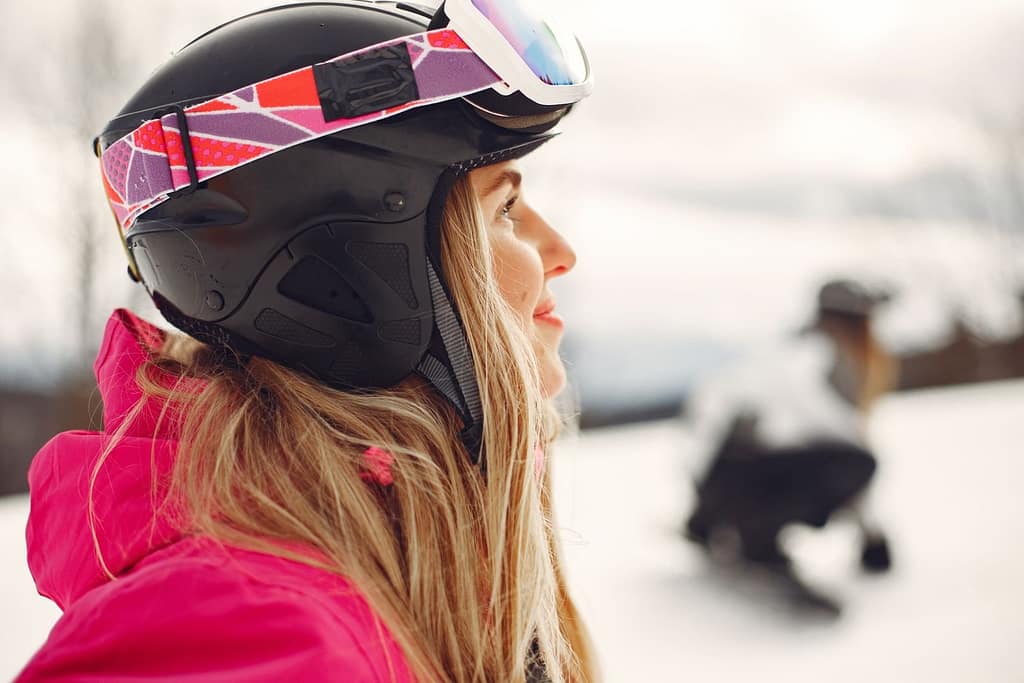
Some policies require you to wear a helmet, and may reduce or refuse a claim if you were not. Helmets are recommended for everyone and are required by law for children in some countries, so wearing one is sensible whatever your policy says.
Alcohol
Most policies will not pay out if you were injured while under the influence of alcohol. The government’s advice points out that alcohol affects you faster at altitude and impairs your judgement, so this is one to take seriously, especially on the last run after a long lunch.
Ski insurance for over 60s, 70s and 80s
Older skiers can usually get winter sports cover, but the age limits, prices and medical questions vary a lot between insurers. Some policies stop offering winter sports cover at a set age, while others have no upper limit.
Two examples show how much it varies:
- AllClear says there is no upper age limit specifically for adding winter sports cover.
- Avanti says its annual comprehensive policies booked since November 2019 have no age restriction for winter sports, while single trip policies need the winter sports add on.
These are examples, not recommendations, and terms change, so check the current wording before you buy. Whatever your age, you need to declare any pre existing medical conditions, because failing to do so can invalidate a claim. If you have a serious medical condition and are struggling to find cover, the government backed MoneyHelper travel insurance directory lists specialist firms that are more likely to cover you.
If you are travelling as a family with grandparents, check that everyone is covered for winter sports on the same policy, or arrange separate cover for older members of the group.
The excess
Check how much you would have to pay yourself on each claim. A cheap policy with a high excess can be a false economy, especially for a family with several people on one policy.
Lift pass insurance in France
When you buy a lift pass in France, you will usually be offered a small daily insurance add on. It typically covers mountain rescue and some refunds, but the details vary. It can be a useful extra, but it is not a replacement for proper travel insurance. Our lift pass guide has more on this.
Family policies
If you ski as a family, a family policy is usually cheaper than insuring everyone separately. Check that children are covered for winter sports on the same terms as adults, and that the ski pack and equipment cover apply to everyone. If you are going in February half term, buy your insurance when you book, so cancellation cover starts straight away.
How to check a policy in five minutes
UK travel insurers provide two key documents before you buy: a short Insurance Product Information Document (IPID) and the full policy wording. They are usually linked on the quote page or in a “policy documents” section. Before you pay, open them and find:
- The winter sports section: whether it is included or an add on, and for how many days on an annual policy.
- The activities list: how on piste and off piste skiing are defined, and whether you need a guide.
- Safety conditions: whether you must wear a helmet or other safety equipment.
- Age limits: for the policy and, separately, for winter sports.
- Exclusions: alcohol, skiing against local advice, and pre existing medical conditions.
- The excess and the limits: medical, mountain rescue, equipment and ski pack.
As an example of how this reads in practice, Coverwise’s activities FAQ says off piste skiing is covered only with the winter sports premium and only when it is not against the advice of the local mountain authorities, and that cover depends on using recommended safety equipment such as helmets. Other insurers word this differently.
Your insurance checklist
- Winter sports cover is included for every person and every day of your trip.
- Medical cover is generous, including mountain rescue and helicopter evacuation.
- Repatriation to the UK is covered.
- Off piste cover matches what you plan to do.
- You know whether a helmet is required.
- Equipment, ski pack and piste closure cover are included if you want them.
- You have declared any medical conditions.
- You know the excess and are happy with it.
- Everyone has a valid GHIC or EHIC for trips to the EU or Switzerland.
- You have the insurer’s emergency number saved on your phone.
Next step: Kit and packing
Ready to get a quote?
These are affiliate links: if you buy through them, we earn a small commission at no extra cost to you.
Coverwise: winter sports cover
Add winter sports cover to a Coverwise single trip or annual policy, then run through the checklist above before you buy.
Frequently asked questions
Does my bank’s travel insurance cover skiing?
Sometimes, but often only as an optional upgrade. Read the policy wording or ask your bank before you travel.
Is the GHIC enough for a ski holiday?
No. It does not cover mountain rescue, private clinics or getting you home. You still need travel insurance with winter sports cover.
Am I covered if I ski off piste?
It depends on the policy. Many only cover off piste skiing with a qualified guide, and some exclude it entirely.
Can I get ski insurance if I am over 70?
Usually, yes. Some insurers have no upper age limit for winter sports cover, but others stop at a set age or charge much more. Compare the age limits and medical questions carefully, and declare any medical conditions.
When should I buy ski insurance?
As soon as you book. That way you are protected if you have to cancel before you travel.
This guide is general information, not financial advice. Policies vary, so always read the full policy wording before you buy.