
Some links in this guide are affiliate links. If you book through them, we earn a small commission, at no extra cost to you. It never changes what we recommend. How we make money
Packing for a ski holiday is a different job from packing for a beach break. Forget gloves or goggles and you will pay resort prices to replace them. Pack too much and you will be paying for extra luggage. This checklist covers what you actually need, what to hire instead of buying, and the small things that make a big difference on the mountain.
The short version
- Dress in layers: a thermal base layer, a warm mid layer and a waterproof jacket and salopettes.
- Never forget gloves, goggles, sun cream and a helmet.
- Hire skis, boots and poles unless you ski often. A helmet is worth owning if you go every year.
- Pack documents in your hand luggage: passport, GHIC, insurance details and booking confirmations.
Printable packing checklist
Ski holiday packing checklist · snowholidayexpert.com
Clothing
- Thermal base layers (two sets for a week)
- Fleece or light insulated mid layer
- Waterproof ski jacket
- Salopettes or ski trousers
- Ski socks (a pair every day or two)
- Ski gloves or mittens, plus a spare pair
- Helmet (own or hire)
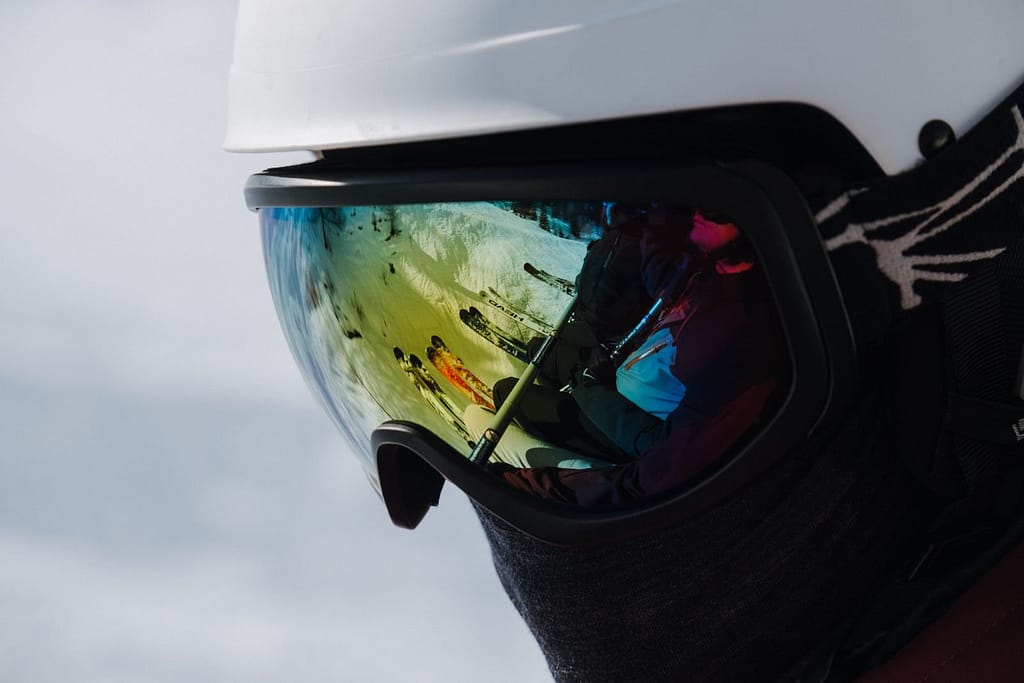
- Goggles
- Sunglasses
- Neck warmer or buff
- Warm hat for the evenings
On the mountain
- High factor sun cream and SPF lip balm
- Small backpack
- Snacks and a refillable water bottle
- Lift pass (in its own pocket, away from your phone)
- Phone and a small power bank
- Tissues
- Piste map or the resort app
Evenings and the apartment
- Snow boots or grippy walking boots
- Comfortable clothes and slippers
- Swimwear, if there is a pool
- Travel adaptor (two pin European)
- Painkillers, plasters, blister plasters and regular medicines
- Washing up liquid and tea bags, if self catering
Documents and money
- Passports, valid for your trip
- GHIC or EHIC for each person
- Travel insurance with winter sports cover, and the emergency number
- Booking confirmations: accommodation, transfers, lift passes, hire, ski school
- Driving licence and breakdown documents, if driving
- Fee free card and some euros in cash
For children
- Mittens on clips or a string
- Name labels on gloves, goggles, helmet and jacket
- A note with your phone number in their pocket
- Spare base layers and socks
- A favourite snack for the end of ski school
Ski clothing
Layering
The secret to staying warm and comfortable is layers you can add or remove as the weather changes. A cold morning on a chairlift can turn into a hot afternoon in the sun.
- Base layers: thermal tops and leggings, ideally merino or synthetic rather than cotton, which holds sweat and gets cold. Two sets for a week is plenty.
- Mid layers: a fleece or light insulated jacket.
- Ski jacket: waterproof and breathable, with a hood that fits over a helmet and plenty of pockets.
- Salopettes or ski trousers: waterproof, with gaiters that go over your boots.
- Ski socks: one thin, proper ski sock, not two pairs of thick ones. Thick or doubled socks make boots more uncomfortable, not less. Bring a pair for each day or two.
Hands, head and face
- Gloves or mittens: waterproof and warm. Mittens are warmer for children and anyone who feels the cold. A spare pair is a good idea.
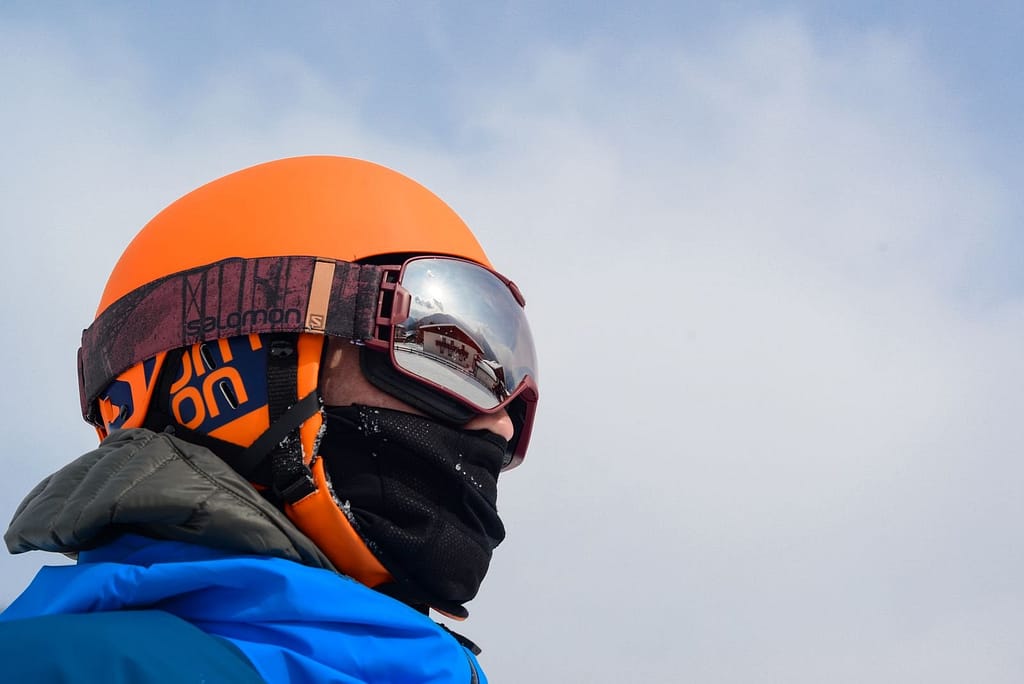
- Helmet: recommended for everyone and required for children in some countries and ski schools. You can hire one if you do not own one.
- Goggles: essential in snow, wind and flat light. A lens for low light is useful.
- Sunglasses: for sunny days and lunch on the terrace.
- Neck warmer or buff: warmer and less fiddly than a scarf.
- Hat: for walking around the resort in the evenings.
Equipment: hire or bring?
| Item | Our usual advice |
|---|---|
| Skis or snowboard | Hire, unless you ski often. Airlines charge to carry them. |
| Ski boots | Hire at first. Regular skiers often buy their own for comfort. |
| Poles | Hire with your skis. |
| Helmet | Buy if you ski every year, otherwise hire. |
| Goggles | Buy. They are personal and not usually available to hire. |
| Children’s clothing | Borrow or buy second hand, as they grow out of it quickly. |
For how to save on hire, see our guide to ski hire and lessons.
On the mountain
- High factor sun cream and lip balm with SPF. The sun is strong at altitude and reflects off the snow.
- A small backpack for layers, snacks and water.
- Snacks and a refillable water bottle.
- Your lift pass, kept in a pocket away from your phone.
- A fully charged phone and a small power bank, as batteries drain quickly in the cold.
- Tissues. Cold air makes everyone’s nose run.
- A piste map, or the resort’s app.
Planning to eat your own lunch on the slopes? Our guide to finding a cheap lunch on the mountain explains how.
For the evenings and the apartment
- Snow boots or warm, grippy shoes for walking around the resort.
- Comfortable clothes and slippers for the apartment or chalet.
- Swimwear, if your accommodation or the resort has a pool.
- A travel adaptor. France uses two pin European plugs.
- Basic medicines: painkillers, plasters, blister plasters and anything you take regularly.
- Washing up liquid and tea bags if self catering, as apartments are not always fully stocked.
Documents and money
- Passports, checking they are valid for your trip.
- A GHIC or EHIC for each person, for trips to the EU or Switzerland.
- Travel insurance with winter sports cover, and the emergency number. See our ski travel insurance guide.
- Booking confirmations for accommodation, transfers, lift passes, hire and ski school.
- Driving licence, insurance and breakdown documents if you are driving.
- A card that does not charge fees for spending abroad, and some euros in cash.
Extra items for children
- Mittens on a string or clips, so they do not get lost on lifts.
- Name labels on everything: gloves, goggles, helmet and jacket.
- A note with your phone number in their jacket pocket.
- Spare base layers and socks, as they will get wet.
- A favourite snack for the end of ski school.
From our own trips
Pack a spare pair of gloves, and make sure they are proper ski gloves, not ordinary winter ones. A wet pair takes ages to dry, and having a dry spare makes a big difference. Proper ski socks are worth it too.
You do not need to buy snow boots for walking around the resort. A good pair of walking boots is fine. Snow boots are nice to have, but not essential.
That is the last step. Now pick your resort: Les Arcs, Avoriaz, Alpe d’Huez or Les Deux Alpes.
Frequently asked questions
Can I wear normal clothes skiing?
Not really. You need waterproof outer layers and warm base layers. Jeans and cotton get wet and cold very quickly.
How many ski socks do I need?
Ideally a pair every day or two. Wear one thin, proper ski sock rather than two thick pairs.
Should I take my own skis?
Only if you ski often. Airlines charge to carry them, and hiring in resort is easy.