
Some links in this guide are affiliate links. If you book through them, we earn a small commission, at no extra cost to you. It never changes what we recommend. How we make money
Ski hire and lessons are two of the costs that catch people out. Walk into a hire shop on your first morning or try to book ski school once you arrive in half term, and you will usually pay more and wait longer. Sort both before you travel and you can save a good chunk of money, and a lot of stress.
The short version
- Pre book ski and boot hire online. Big hire chains advertise discounts of up to around half off walk in prices, depending on the resort and dates.
- Choose the right level of equipment. Beginners do not need premium skis.
- Book ski school as soon as your dates are fixed, especially in school holidays.
- Group lessons are much cheaper than private ones and are ideal for children.
- If you ski every year, buying your own boots and helmet can make more sense than hiring them.
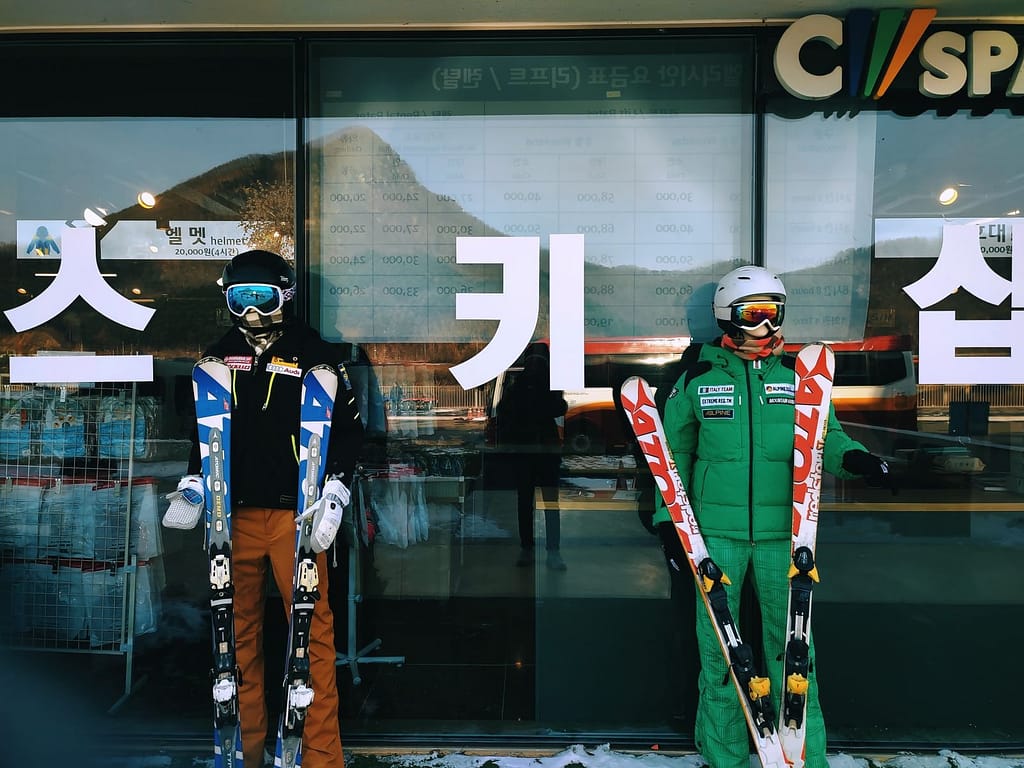
Ski and snowboard hire
Why booking online is cheaper
Most of the big hire chains you will find in European resorts, such as Skiset, Skimium, Intersport and Sport 2000, let you book online before you go. Online prices are usually lower than the price on the shop wall. The Ski Club of Great Britain, for example, lists Skiset’s pre booked online hire as up to 50 per cent off, with the discount varying by resort and season. Marketplace sites that compare several shops in a resort also advertise big savings.
Booking ahead also means the shop knows you are coming. You give your height, weight, shoe size and ability when you book, and your skis are usually set up and waiting when you arrive.
Choosing the right level
Hire shops normally offer several ranges, from basic beginner kit up to high performance skis. A useful rule of thumb:
| Your level | What to hire |
|---|---|
| Complete beginner | The entry level package. Shorter, softer skis are easier to turn. |
| Confident on blue and red runs | A mid range or “sport” package. |
| Strong skier | Premium skis if you will notice the difference, or specialist kit for off piste. |
| Children | Junior packages, which are much cheaper. Many shops include a helmet. |
Paying for premium skis as a beginner is one of the easiest ways to waste money. You will learn just as well, and probably more easily, on the basic package.
Where to collect
Pick a shop close to your accommodation or the main lifts. You will be carrying skis and boots back if anything needs changing, so a short walk matters, especially with children. Many shops also have overnight ski storage at the bottom of the slopes, which saves carrying everything back each day. Our guide on how to stop carrying your skis at the end of the day covers that in more detail.
Heading to Les Arcs? See ski hire in Arc 1800 compared. Going to Avoriaz? See ski hire in Avoriaz.
Insurance on hired kit
Hire shops usually offer a small daily insurance against breakage or theft of the skis. Check whether your travel insurance already covers hired equipment before you add it. Our ski travel insurance guide explains what to look for.
Hire, or buy your own?
Boots are the one thing many regular skiers end up buying. Well fitted boots are more comfortable than hired ones and you know exactly what you are getting. Skis are bulkier to travel with and airlines often charge to carry them, so plenty of experienced skiers still hire skis. A helmet is another good buy if you ski every year, as it is yours, fits properly and is more hygienic.
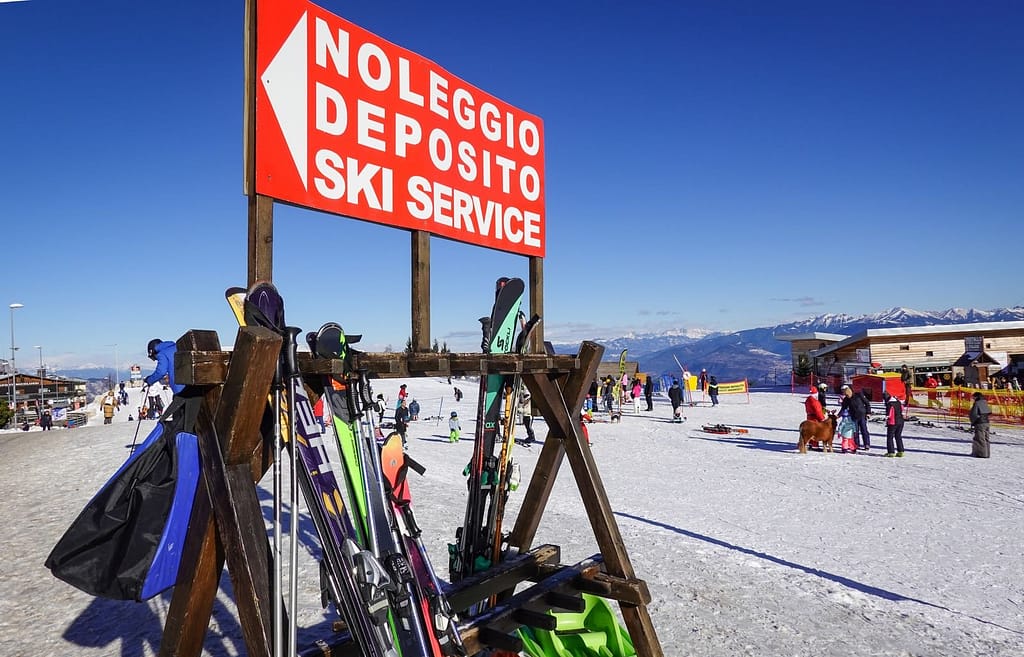
Ski school and lessons
Book early, especially in the school holidays
In February half term, Christmas and Easter, children’s group lessons can sell out well before the season starts. Lessons for younger children, and lessons with English speaking instructors, tend to go first. As soon as your dates are fixed, book ski school, then build the rest of your trip around it.
Group or private?
Group lessons are far cheaper and, for children, often more fun. They learn alongside others of a similar age and ability, and usually finish the week with a small race or test. Private lessons cost more but can be good value for a family sharing one instructor, for nervous beginners, or for adults who want to fix a particular problem quickly.
Which ski school?
In France the biggest ski school is the ESF (École du Ski Français), which operates in almost every resort. Its children’s groups for the youngest skiers usually start from around three or four years old, and children work through a series of levels, each with a badge or medal. Many resorts also have independent and British run ski schools, which can be popular with UK families because all the instructors speak fluent English. Compare group sizes, lesson times and what happens if your child is unhappy before you book.
Tips for children’s lessons
- Choose morning lessons for younger children, when they have the most energy.
- Check whether lift passes are needed for lessons. Very young beginners may only use free nursery lifts.
- Label everything: gloves, helmet, goggles and skis.
- Put a small snack and a note with your phone number in their jacket pocket.
- Check whether lunch supervision is offered if you want a full day.
Lessons for adults
Even confident skiers benefit from a few lessons, and a two or three morning course is a good way to get your ski legs back at the start of a week. If you are a complete beginner, book at least the first few days in ski school. Learning from friends or family is a reliable way to fall out with them.
Next step: Travel insurance
Frequently asked questions
How far ahead should I book ski hire?
Once your dates are fixed. Some chains give an extra discount for booking further ahead, and you have more choice of shop.
Can I change my hire if the boots hurt?
Yes. Go back to the shop as soon as possible. Most will swap boots or skis for free during your hire period.
Do children need helmets?
Helmets are strongly recommended for everyone and are often required for children in ski school. Many junior hire packages include one.
What age can children start ski school?
Many ski schools take children from around three or four years old in special beginner groups. Check the minimum age with the school before you book.